 01
一號坑-步兵主機
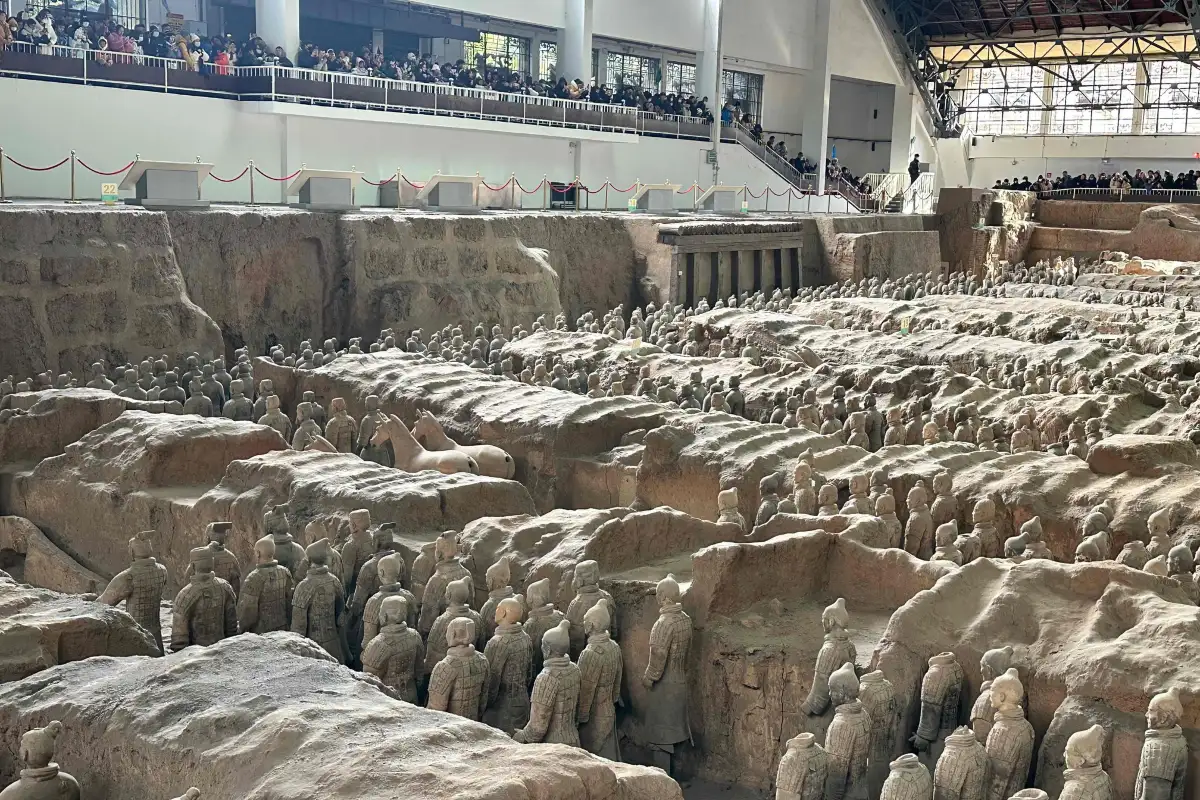
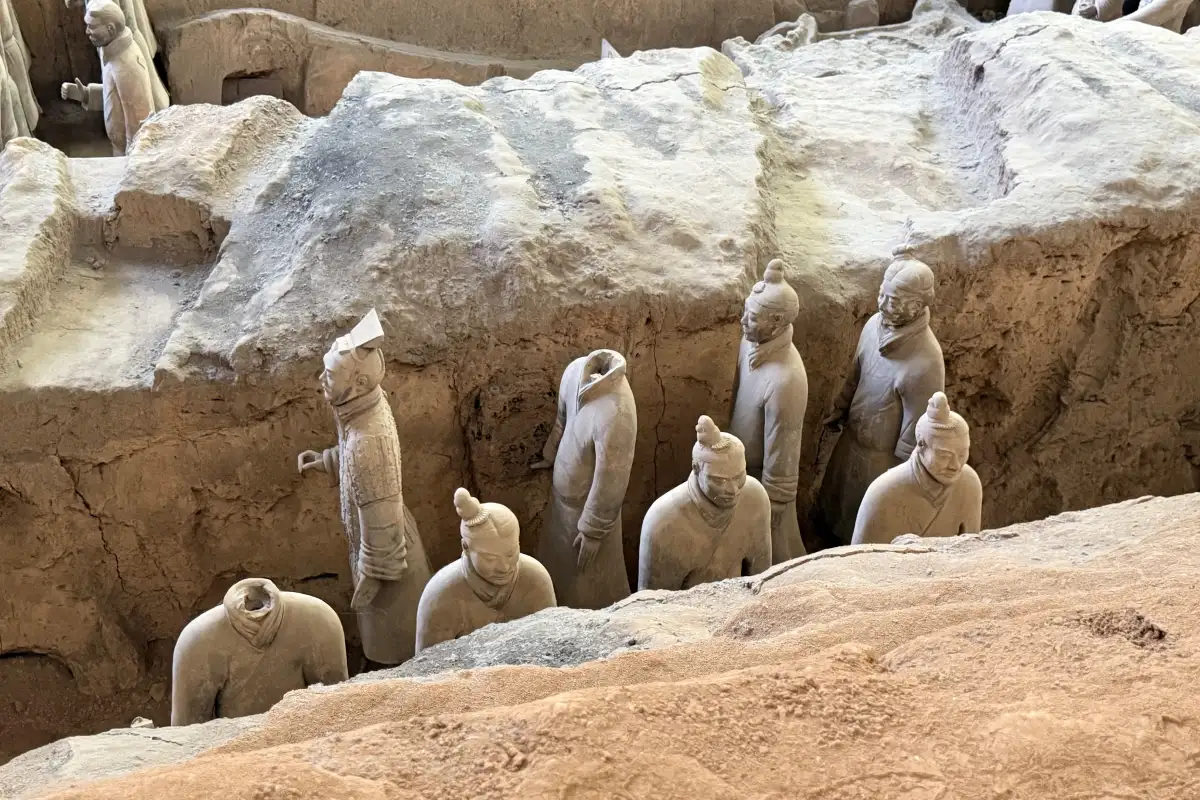
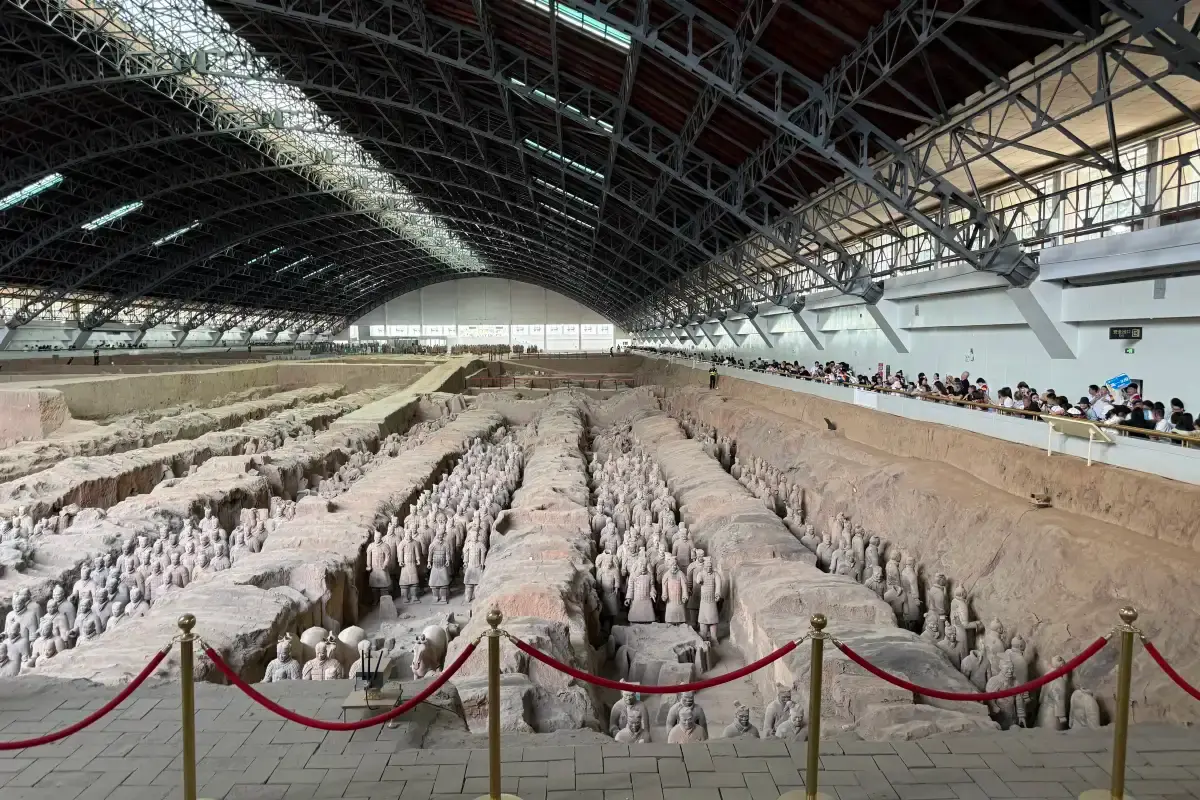
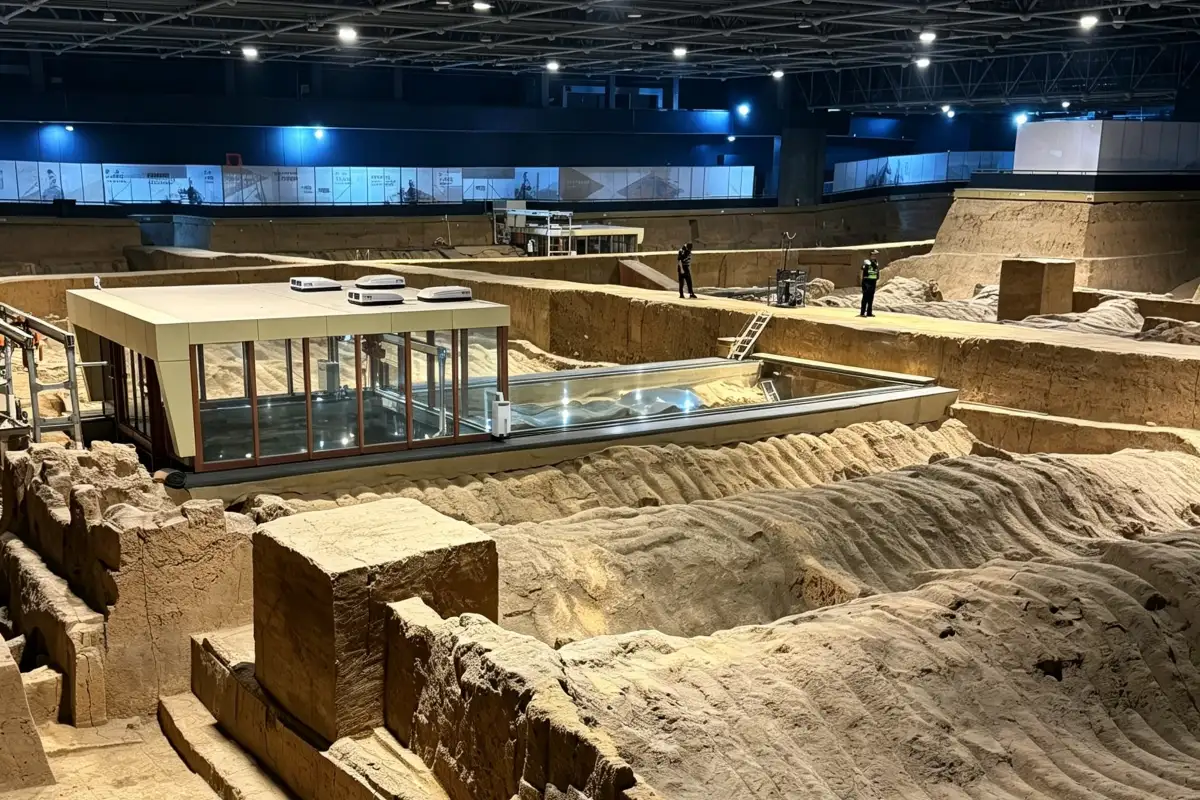
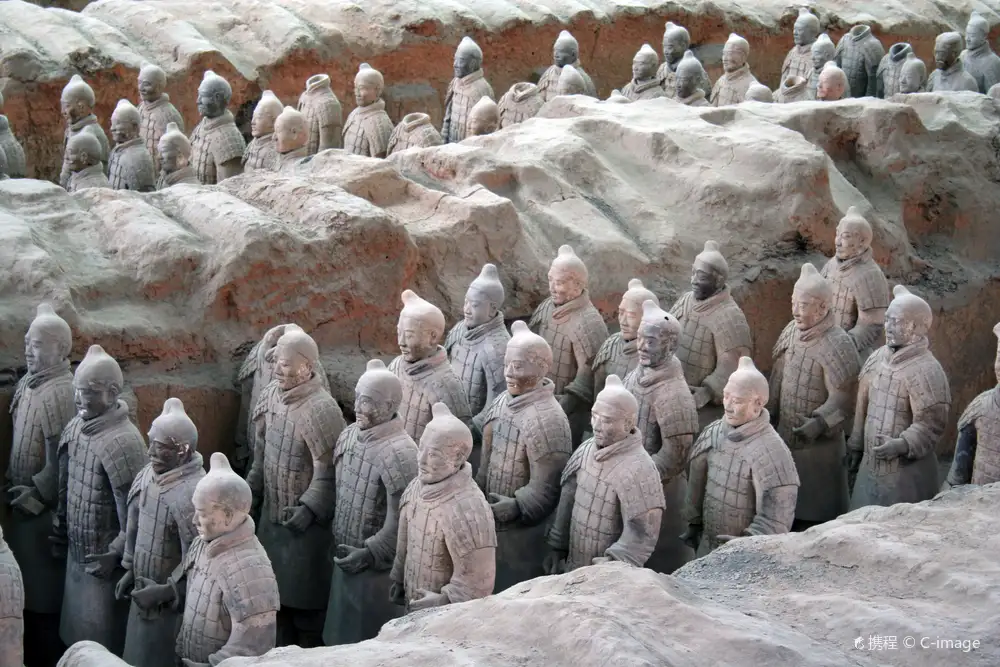
著名的第一視角:約 6,000 名戰士和馬匹位於 230 x 62 公尺的拱形機庫中,先鋒隊面向東方。沿著地層周圍的凸起走廊行走,觀看技術人員在現場實驗室重新組裝新挖掘的碎片。
 Chinese (Hong Kong)
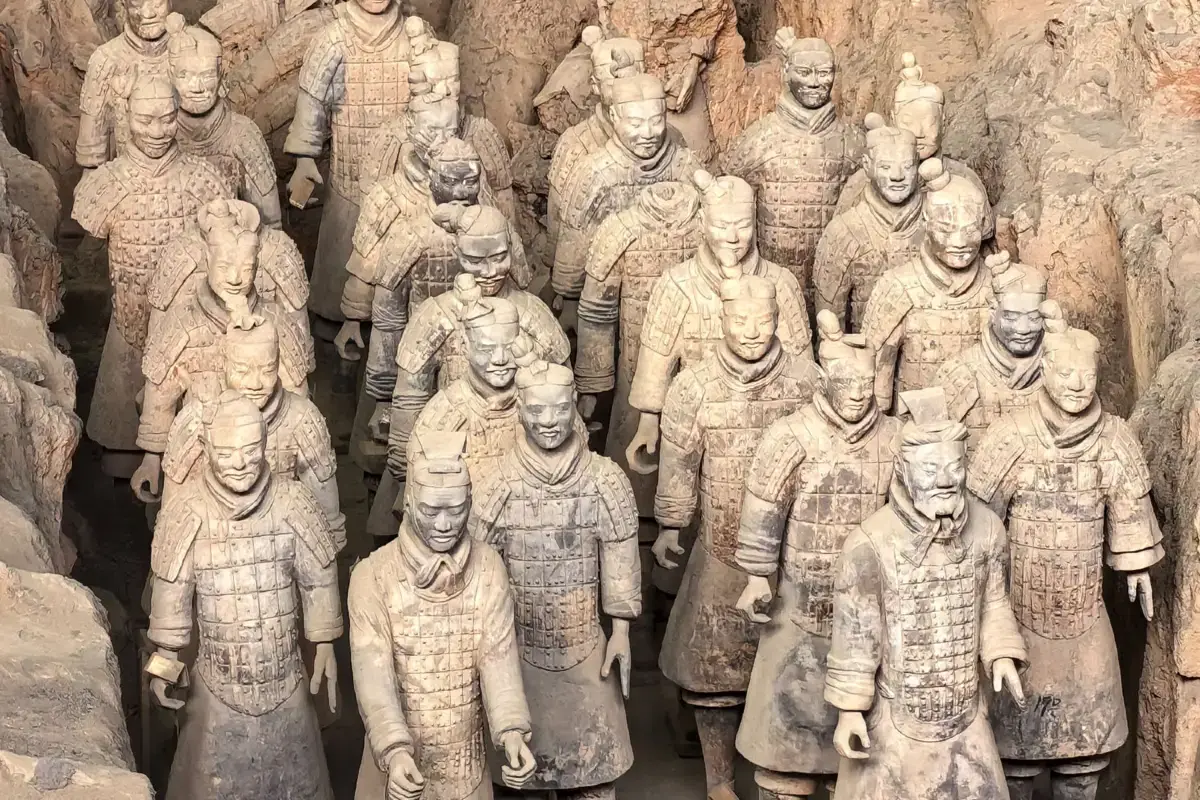
秦始皇兵馬雕像·陝西省西安市臨潼區
自 1974 年以來,出土了超過 1000 名真人大小的士兵,沒有一張臉是一樣的。每一件武士都是2200年前秦工匠手工製作的,用來守護始皇陵墓。站在讓世界稱之為第八大奇蹟的軍隊面前。
歡迎來到世界上最大的埋葬軍隊
秦始皇兵馬俑是嬴政的儀仗隊,嬴政是統一中國戰國六國並於公元前 221 年稱帝的童王。他在13歲時下令開始建造他的墳墓;到最後,近72萬名工人花了38年的時間建造了土丘、坑和這支地下軍隊。
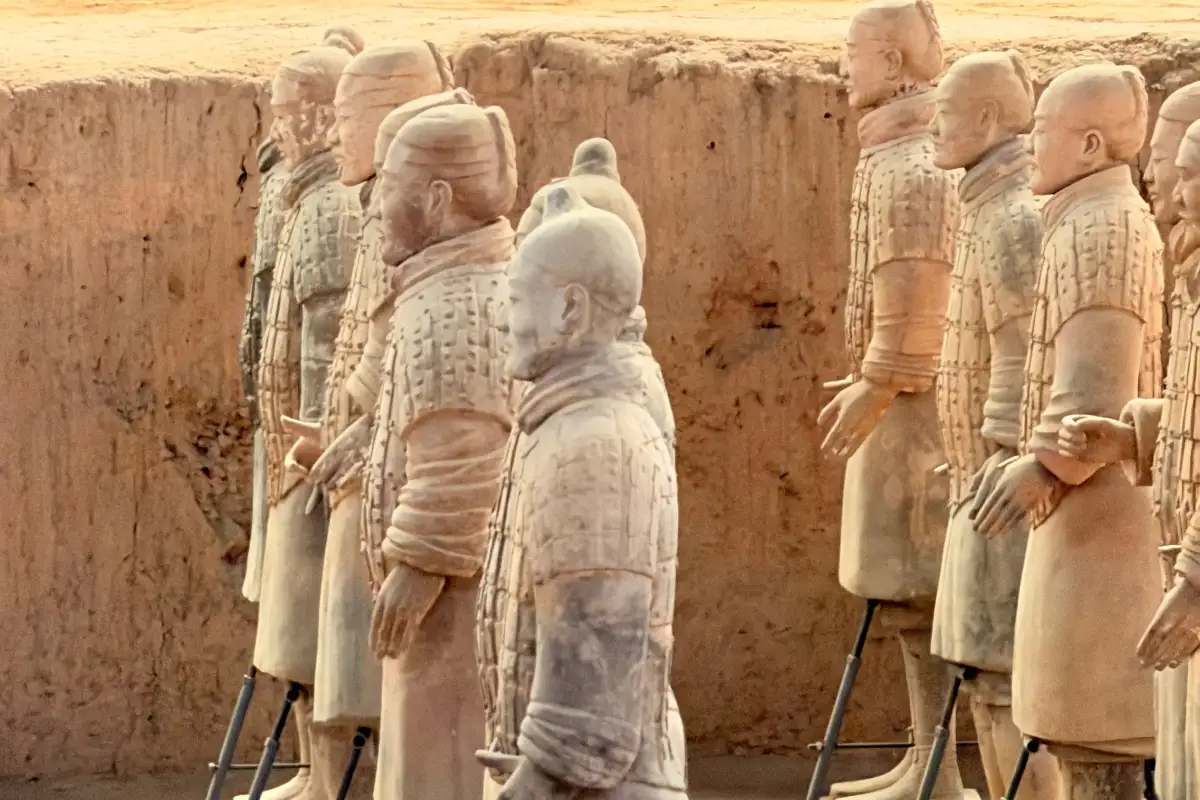
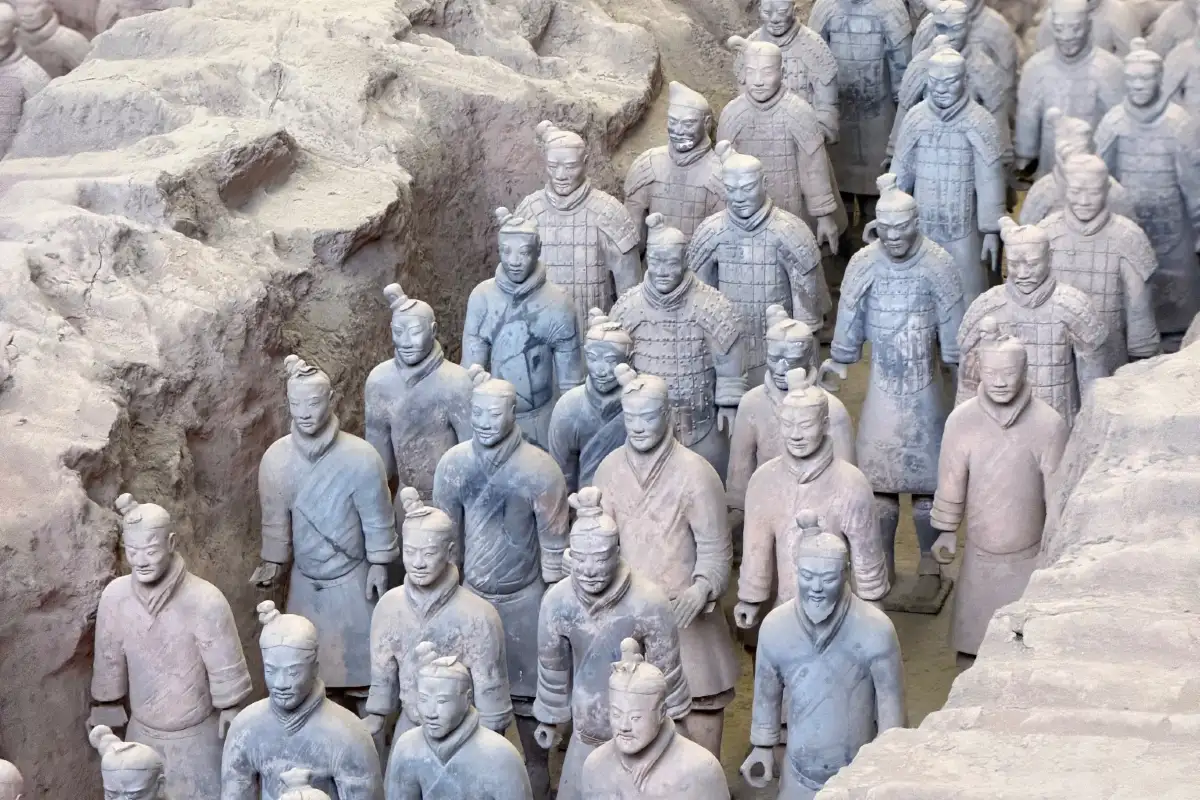
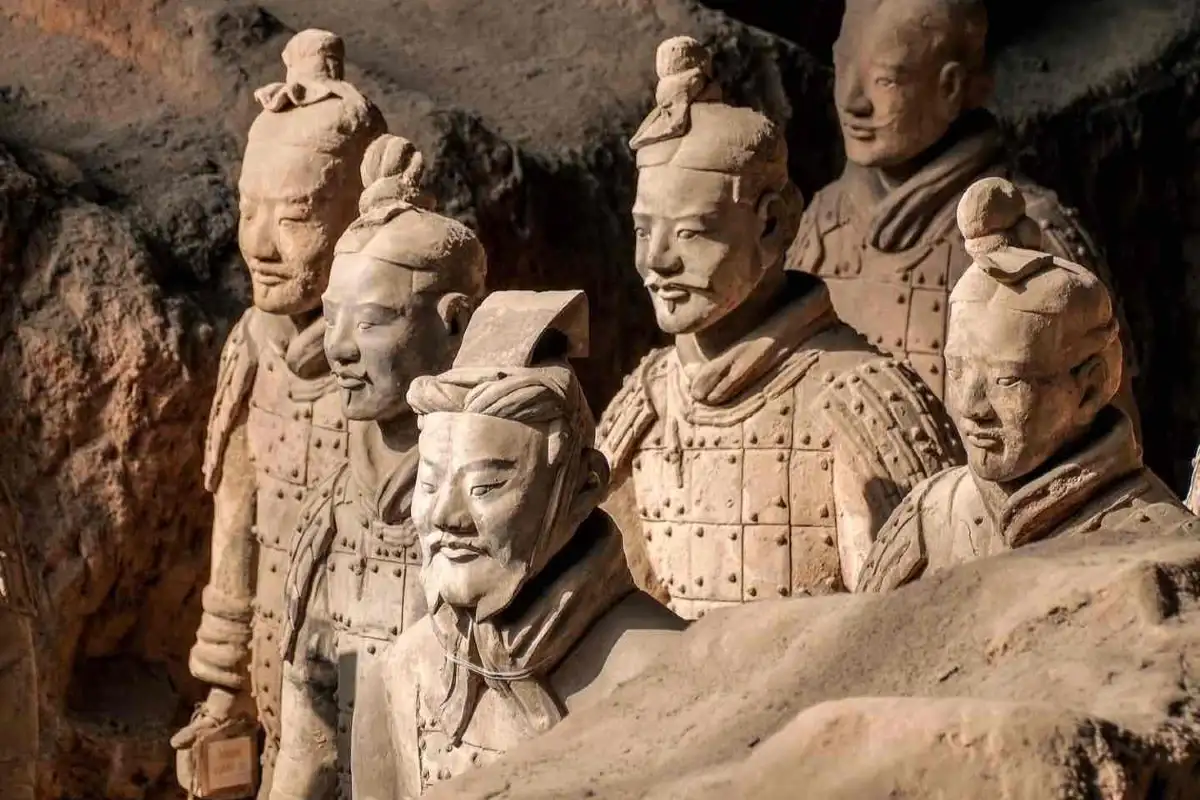
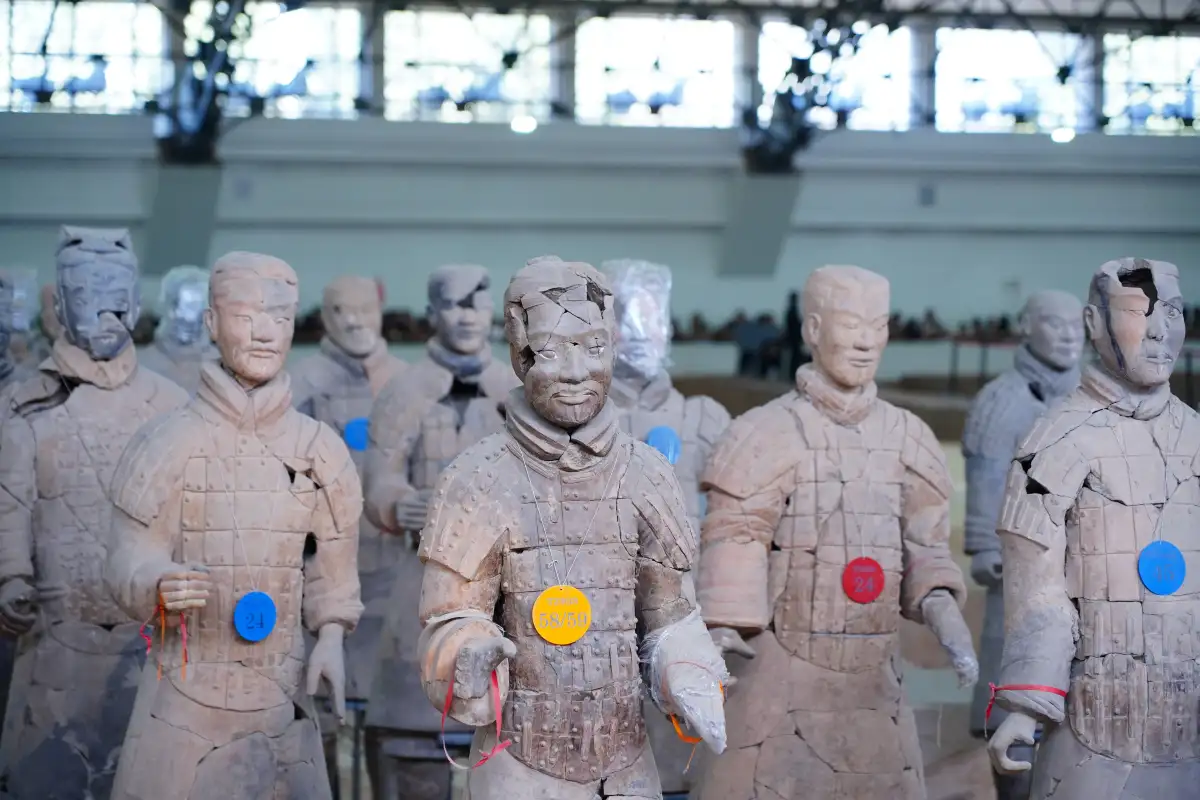
仔細觀察任何一排士兵:每一張臉都是不同的。這些武士由模組化粘土身體組裝而成,然後手工完成——雕塑家塑造了個人的表情、頂髻、鬍鬚和盔甲結,並將他們的工作室名稱印在粘土上以進行質量控制。站在一號坑前排,你看到的是一個帝國的肖像。
重點
從一號坑的步兵大軍到兩千多年歷史的青銅戰車——這些都是旅行者多年後仍記得的景象。
01著名的第一視角:約 6,000 名戰士和馬匹位於 230 x 62 公尺的拱形機庫中,先鋒隊面向東方。沿著地層周圍的凸起走廊行走,觀看技術人員在現場實驗室重新組裝新挖掘的碎片。
 02
混合兵種展示:備有鞍馬的騎兵、站立和跪著的弓箭手以及戰車小隊——約 1,300 人。不要錯過玻璃櫃中的跪弓箭手,其掌墊和鞋面在 2,200 年後仍然清晰可見。
 03
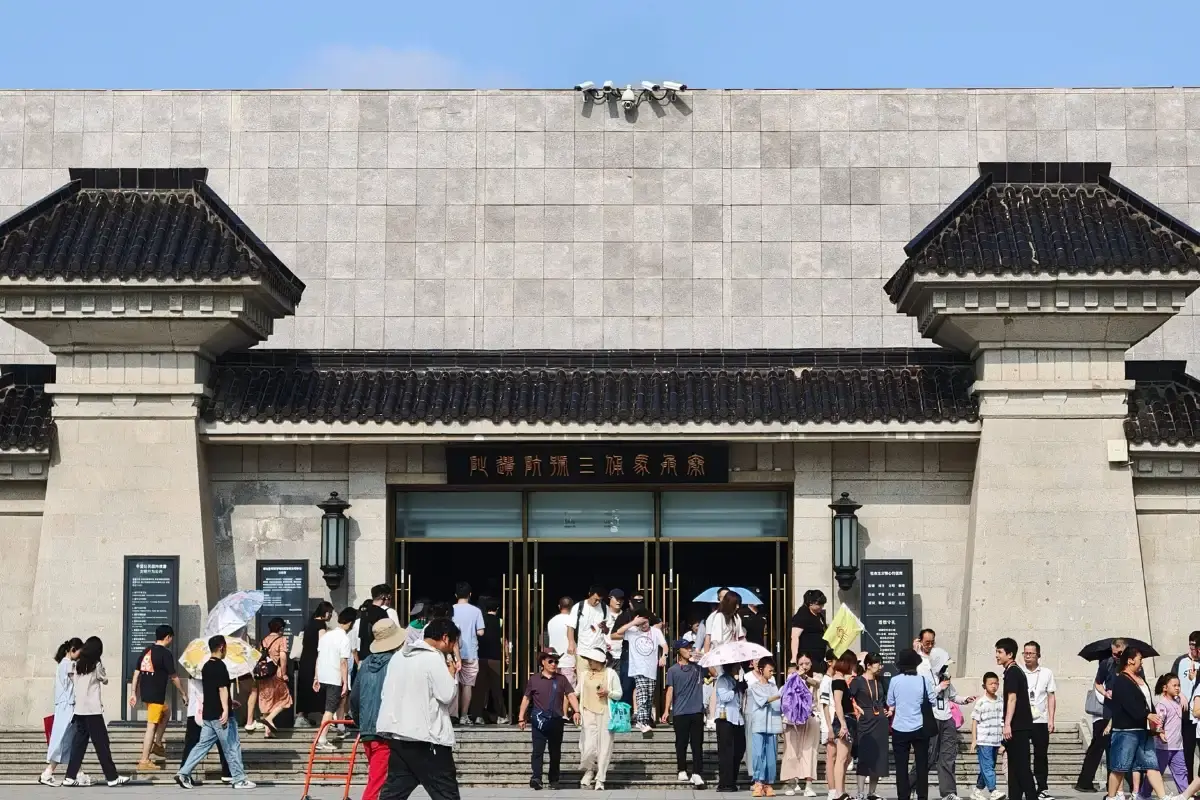
最小的坑和軍隊的大腦:穿著長袍的軍官,中央有一輛傷痕累累的指揮戰車,還有將軍們計劃戰役的會議室。唯一被發現完好無損而不是倒塌的坑。
 04
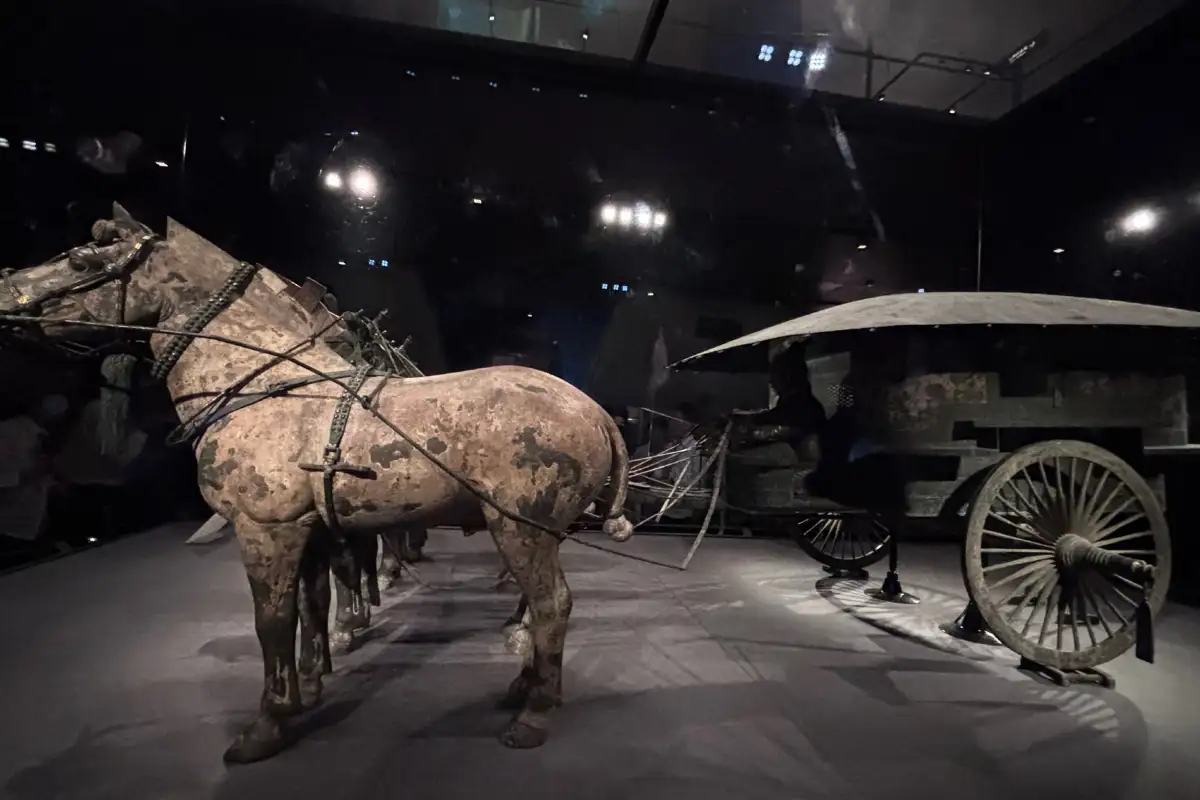
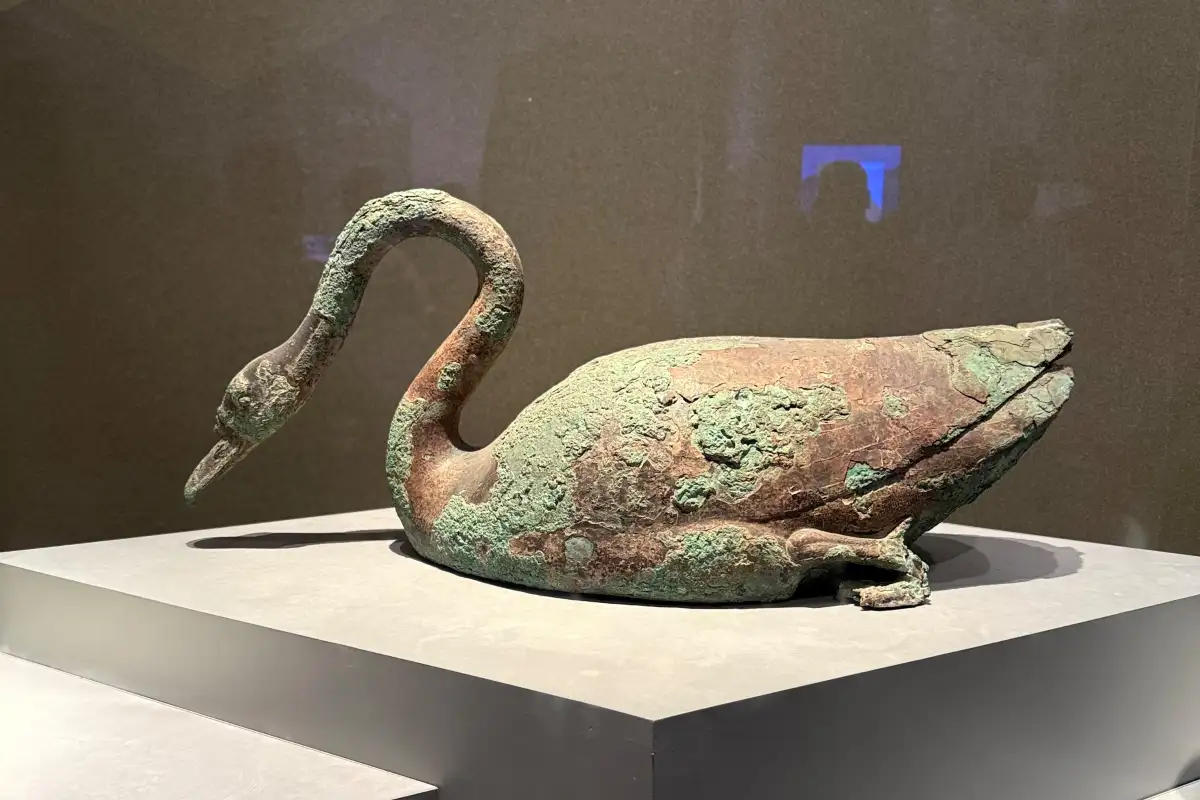
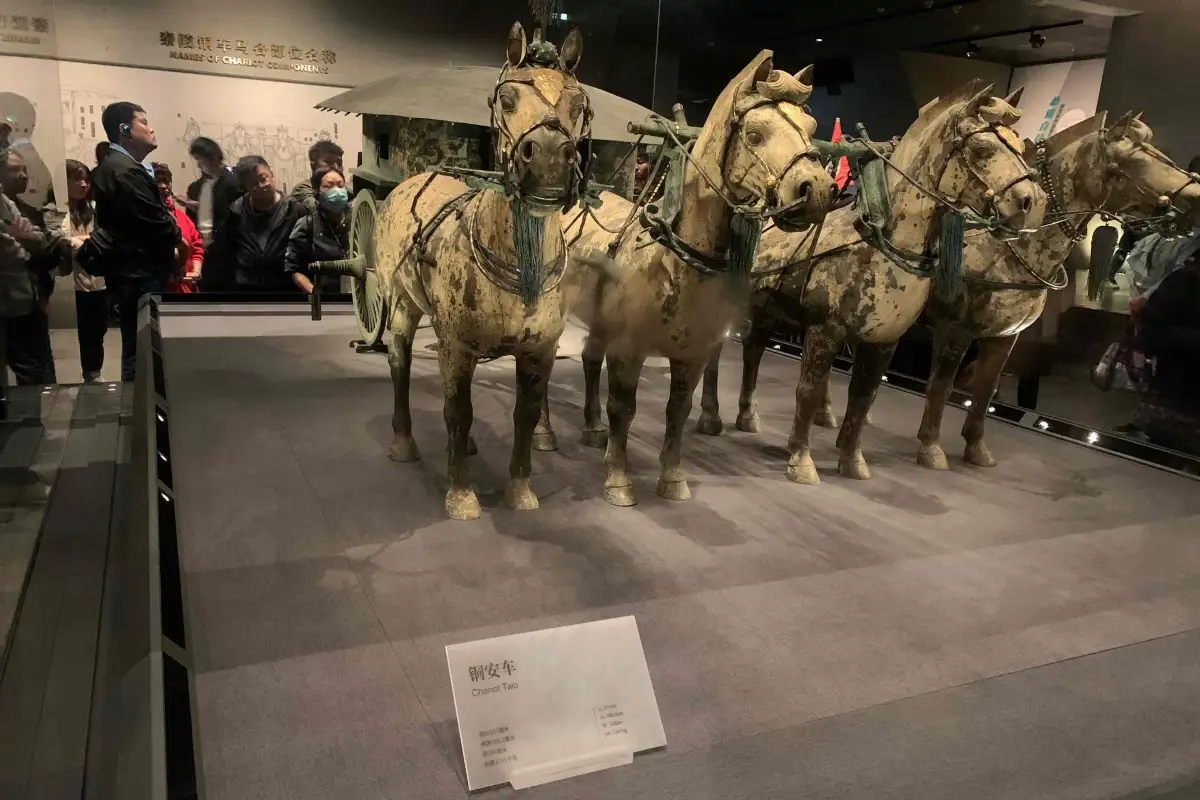
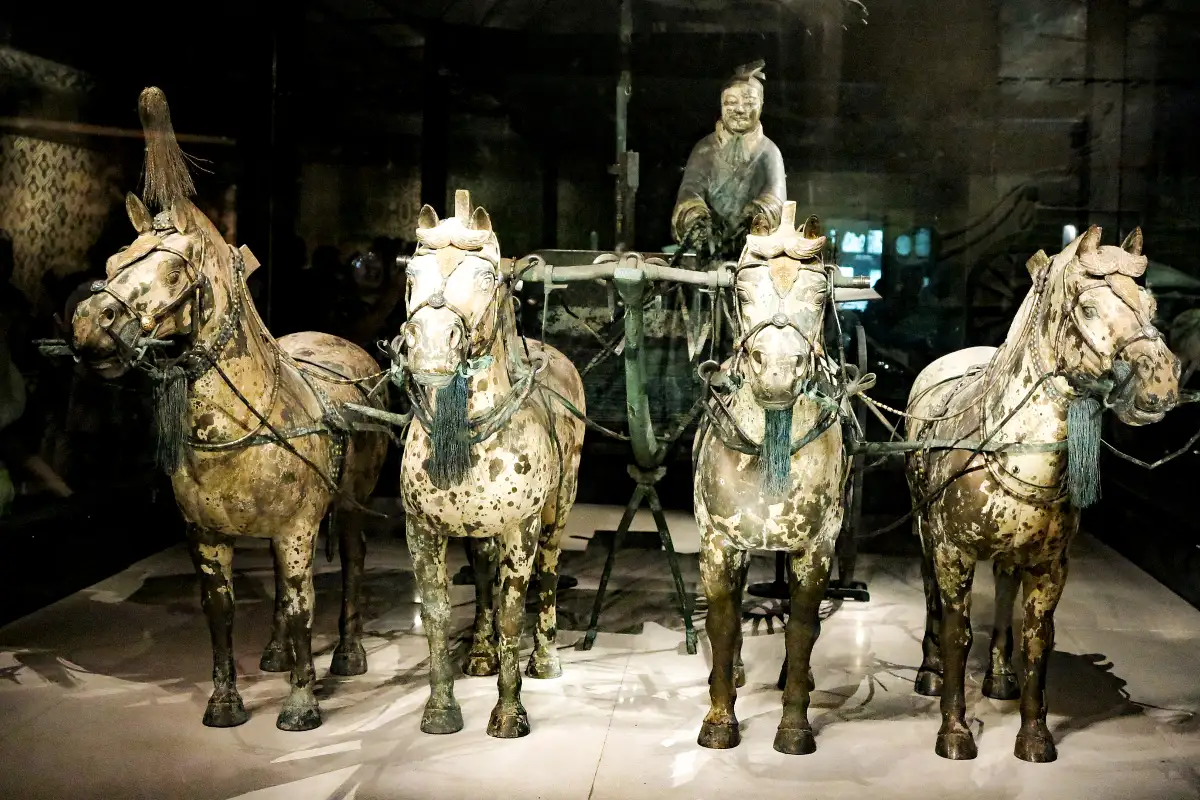
西側1.5公里處(免費穿梭)陵墓遺址,1980年出土了兩支半身形的青銅車馬,零件數千件,嵌金銀飾,堪稱「古代青銅之冠」。迄今為止發現的最精美的青銅鑄件。
 05
皇帝本人仍躺在長滿青草的金字塔土丘下,未被挖掘。歷史學家司馬遷曾描述過土壤中的汞河——研究人員確實報告了土壤中不尋常的汞讀數。從墓地小路觀看它。
軍隊的軍階
兵馬俑並不是一個重複了八千次的雕塑——它是一張完整的粘土秦軍名單,從大將軍到騎兵馬匹。
坑中最高的人物──戴著雙層帽、穿著魚鱗鎧甲、緊握著指揮棒的雙手。只找到了少数将军。
前排的骨幹:板甲板甲、護腿、頭髮髻右側紮著--真正的秦軍士兵的規則。
Light troops in short gowns, feet at right angles and arms raised to draw a longbow — every archer's hands are frozen mid-action, bows long since rotted away.
Pit Two's celebrity: half-crouched on one knee, sole treads and palm pads still crisp. Unearthed nearly intact, he is the most photographed warrior of them all.
Unarmored shock troops in knee-length gowns, captured mid-stride — their heads and hands were made separately, so their expressions are the boldest of all.
Each war chariot had a driver with outstretched reins and armored escorts — the chariots themselves were real wood-and-bronze vehicles, now decayed to their metal fittings.
Saddle-mounted riders beside their short, solid horses — Pit Two holds the cavalry wing, from mounted archers to the scouts who screened the army's flanks.
Hundreds of life-size war horses with cropped manes and knotted tails stand beside their riders and chariots — every one modeled on the stocky breeds of the Qin plains.
Every warrior stands between roughly 1.75 and 2 metres tall — the generals the tallest — and each was assembled from modular parts, then finished by hand, so faces, ears, mustaches and expressions all differ. Find your twin among the ranks.
How the army was made
The whole force was manufactured beside the tomb by hundreds of state workshops — an assembly line 2,200 years ahead of its time.
Workers dug clay near Mount Li, pressed it into thick base slabs and built hollow torsos by hand-coiling — legs were solid, torsos hollow to survive firing.
Heads, arms, hands and armor were produced separately, then attached — heads from eight basic face molds, each personalized afterward. Craftsmen stamped or carved their names on the parts: quality control, Qin style.
The figures were fired in low-oxygen earthen kilns at around 950–1,050 °C — hot enough to turn river clay into ceramic tough enough to stand guard for millennia.
Coated in lacquer, then painted in red, green, pink, white and the synthetic "Chinese purple" — finally the army was ranked into formation and buried facing east, toward the states the First Emperor had conquered.
Plan like a pro
Straight from recent warriors-watchers — the details that turn a good visit into a great one.
Tour groups flood the hangars from mid-morning to mid-afternoon. Arrive at the 08:30 opening for quiet paths — or, like one reviewer, enter near the 5:00 PM ticket cutoff and find fewer than 50 people in the pits.
Buy the e-ticket online and simply scan your passport at the gate — one family arriving without a booking found the ticket office sold out, then bought four e-tickets on Trip.com in under a minute.
The classic order: the infantry host first, the command post next, the elite force last — then the free shuttle west to the mausoleum mound and the Bronze Chariot Hall. No backtracking at any point.
Xi'an summers hit +37°C — "get more water and stay inside," as one traveler put it. The pits are covered hangars; the mausoleum garden is open ground. Bring a bottle, a hat and patience at noon.
Shoot first from the central viewing walkway — the full formation in one frame — then drop to the side corridors for close-ups of individual faces. No flash on the warriors and no tripods in the aisles.
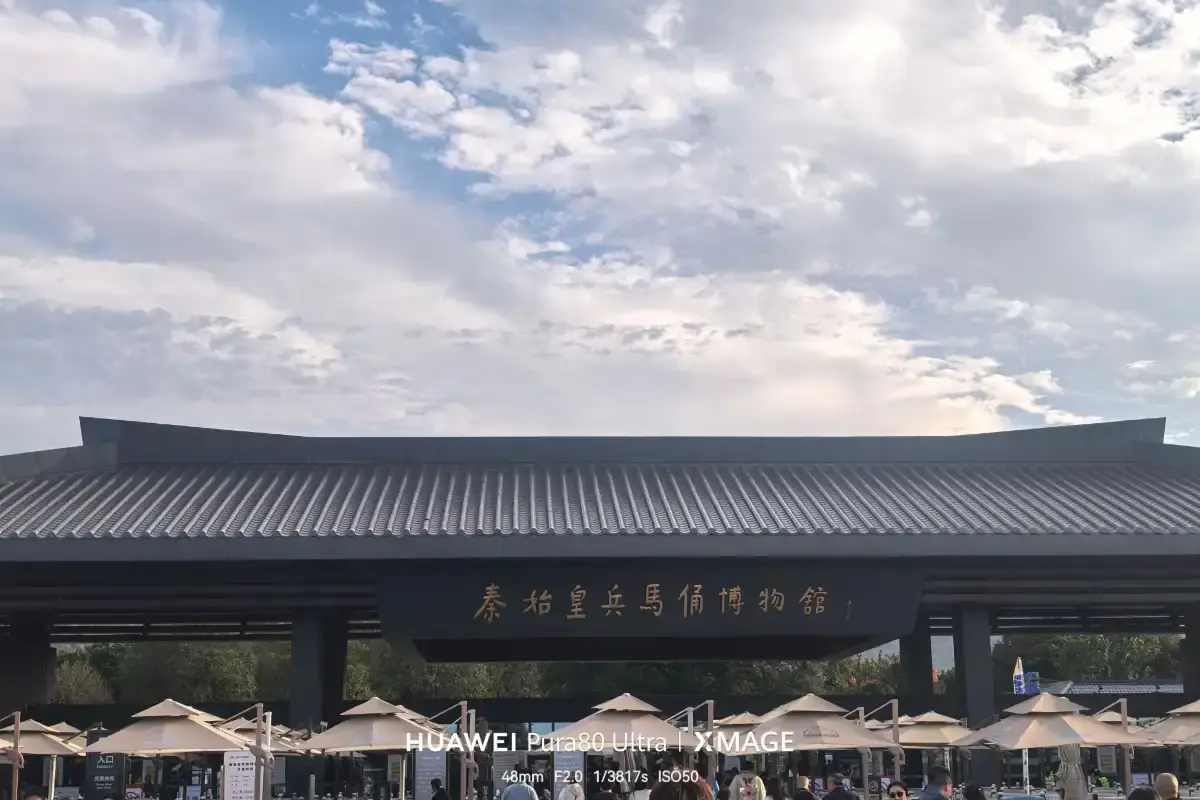
Your ticket covers both sites: the three pits museum and the mausoleum necropolis with its two excavation areas and the Bronze Chariot Hall. A free shuttle connects them — reviewers say the buses run constantly.
Photo stops
Infinity rows of clay soldiers, a 2,200-year-old archer and golden bronze — the pits are a photographer's playground.
The classic frame: thousands of warriors in ranks from the raised viewing platform at the hangar's end. Shoot early — tour flags start waving by ten.
The front line soldiers stand closest to the walkway — individual faces, topknots and armor knots sharp enough to count rivets.
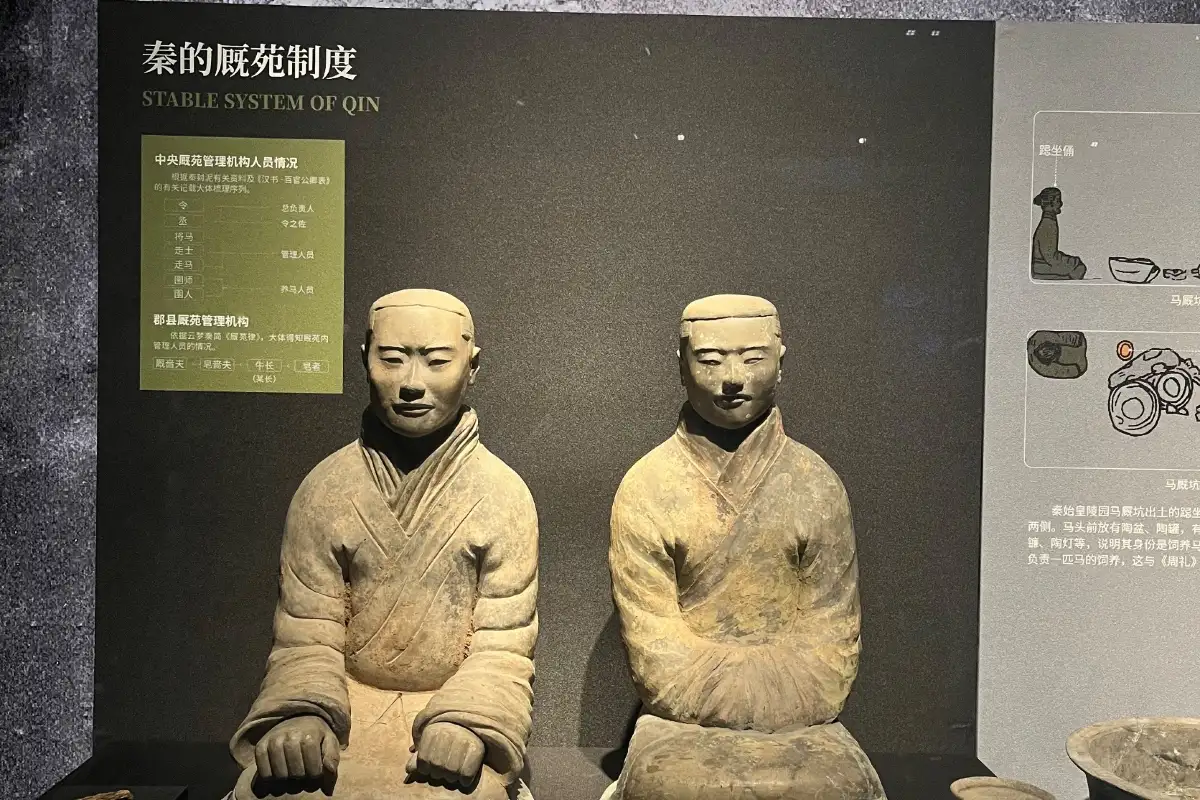
Pit Two's glass-case celebrity — half-crouched, hands resting on an imaginary bow. The best-lit portrait opportunity in the museum.
The standing chariot with its 1,172-part umbrella — shot through the display glass with the lights low. Gold and silver inlay still gleams.
The scarred war chariot flanked by officers — moody lighting, few crowds, and the quietest corner of the three pits.
The grassy tomb pyramid against Lintong's fields — especially atmospheric after rain or in the soft light before the day trips arrive.
Army gallery
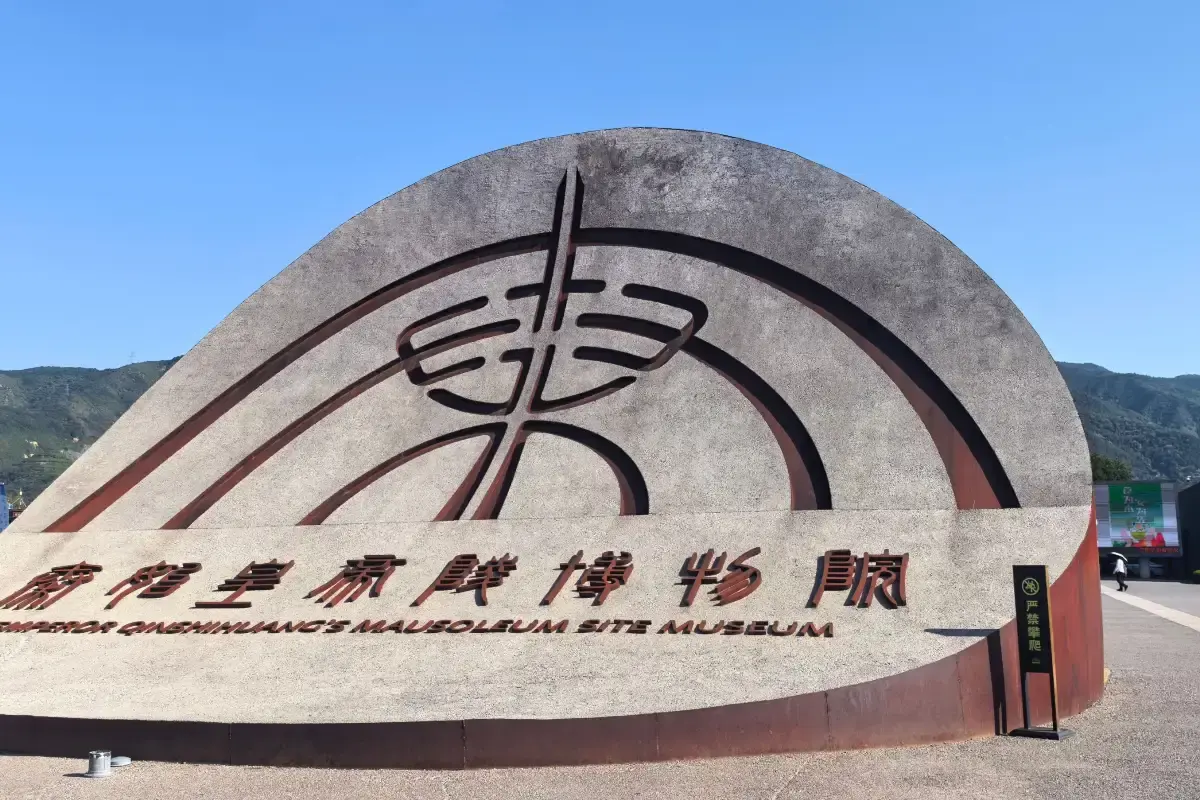
A first look at the warriors, chariots and the necropolis waiting for you — see every photo on the Gallery page.
Traveler reviews
Rated 4.7/5 from 149,681 reviews on Trip.com and 4.7/5 from 15,095 reviews on TripAdvisor — here is what real travelers highlight.
I decided to go at 2:30 pm, and it was extremely busy. However, the museums are very large and provide ample history and information.
去之前小伙伴告知是世界第一“坑”,非常坑,就是看人,没意思~然而去了后,觉得很震撼!的确人太多,影响了观感,但是东西真的太了不起了!太震撼了!真的是瑰宝!即使人再多,再看不清,也要去看一下,感受下这绝世无双的历史!
he Terracotta Warriors and Horses in Xi'an is the eighth wonder of the world, with a grand scale and magnificent momentum. Thousands of lifelike pottery figurines, with different expressions, seem to have traveled through thousands of years of history, making people feel the glory and power of the Qin Dynasty. It is of great historical and artistic value and is a treasure in the cultural heritage of all mankind, and it is worth seeing by everyone.
this place is a wonderful place to visit. its good to visit the place if u know abt it beforehand. though there are english speaking chinese guides. wiki will give some light abt the place. we went from fast train so from xian north station took a didi like a uber for 110 rmb . the ticket price is 120 and if you have a student card its half the price. the place is large enough to spend around 3 hours . there are three pits 3,2,1.. i started from third pit coz its the smallest one.. and the 2 and then 1 .. the 1 pit is the largest one but the excavation work is still goin on .. there are hundreds of statues.. the hard work is just magnificient.. the pictures which we take are not enough for to capture the feelings which we have when we look at those by naked eyes.. the place is a must to go place though a bit far from city.
Full of history ! Definitely, a must see if visiting Xi’an. This place is massive! like pictures don’t do any justice to how great this place is.
一天内去了兵马俑和华清宫,遇到了非常专业又博学多识的金牌导游张虎导游,虽然天气很炎热,张导还是很耐心地为我们讲解,了解到了很多历史知识,还是不虚此行的(●°u°●) 」
Reviews are quoted verbatim in their original language, sourced from Trip.com travelers. Individual experiences may vary.
From the blog
Faces, ranks, weapons and workshop secrets — plus the ticket facts and transport tips that make the visit easy.
Pit Two’s glass-case celebrity: why the Kneeling Archer is the most photographed Terracotta Warrior — the carved shoe treads, palm pads, his...
Read more about The Kneeling Archer: the Terracotta Army’s Star of Pit TwoThe Terracotta Warriors were buried in color: lacquer reds, greens, azurite blues and the synthetic Chinese purple. Why the paint flakes off...
Read more about The Original Colors of the Terracotta Warriors — and Why They VanishedFrom loess clay to buried army: how Qin workshops coiled and fired thousands of terracotta warriors — modular bodies, eight face molds,...
Read more about How the Terracotta Army Was Made: Clay, Molds, Kilns & Workshop StampsThe three Terracotta Army pits explained: the 6,000-strong infantry host of Pit One, the archers and cavalry of Pit Two, the command...
Read more about Pit One, Pit Two, Pit Three: What You See in Each Terracotta PitEight molds, a thousand faces: how Qin workshops mass-produced the Terracotta Army and still gave every soldier a unique face — modular...
Read more about Why Every Terracotta Warrior Has a Different FaceEvery Terracotta Army ticket fact for 2026 — online fares from $18.03, what admission includes, passport-scan entry, the free shuttle to the...
Read more about Terracotta Army Tickets 2026: From $18.03, E-Tickets & the Free ShuttleTickets from $18.03 — book online with Trip.com, scan your passport at the gate and meet a thousand different faces in one morning.
 English English
 Chinese (China)
Chinese (Hong Kong)
 Chinese (Taiwan)
 Russian
 Korean
 Japanese
 Thai
 German
 Spanish
 French
 Italian
 Portuguese